There are 2 ways to install Blogging Hub:
Installing using ZIP file:
- Installation via ZIP file involves obtaining the software package in a compressed ZIP archive format. This method of installation typicallyrequires the user to manually extract thecontents of the ZIP file to a designated directory or folder on their system. Once the files are extracted, the user can then proceed with the installation process, often by running an executable file or following specific instructions included within the extracted files. This approach offersflexibility in choosing the installationlocation and can be useful when dealing with software that doesn't have a dedicated installer.
-
Using WordPress Theme Directory for installation:
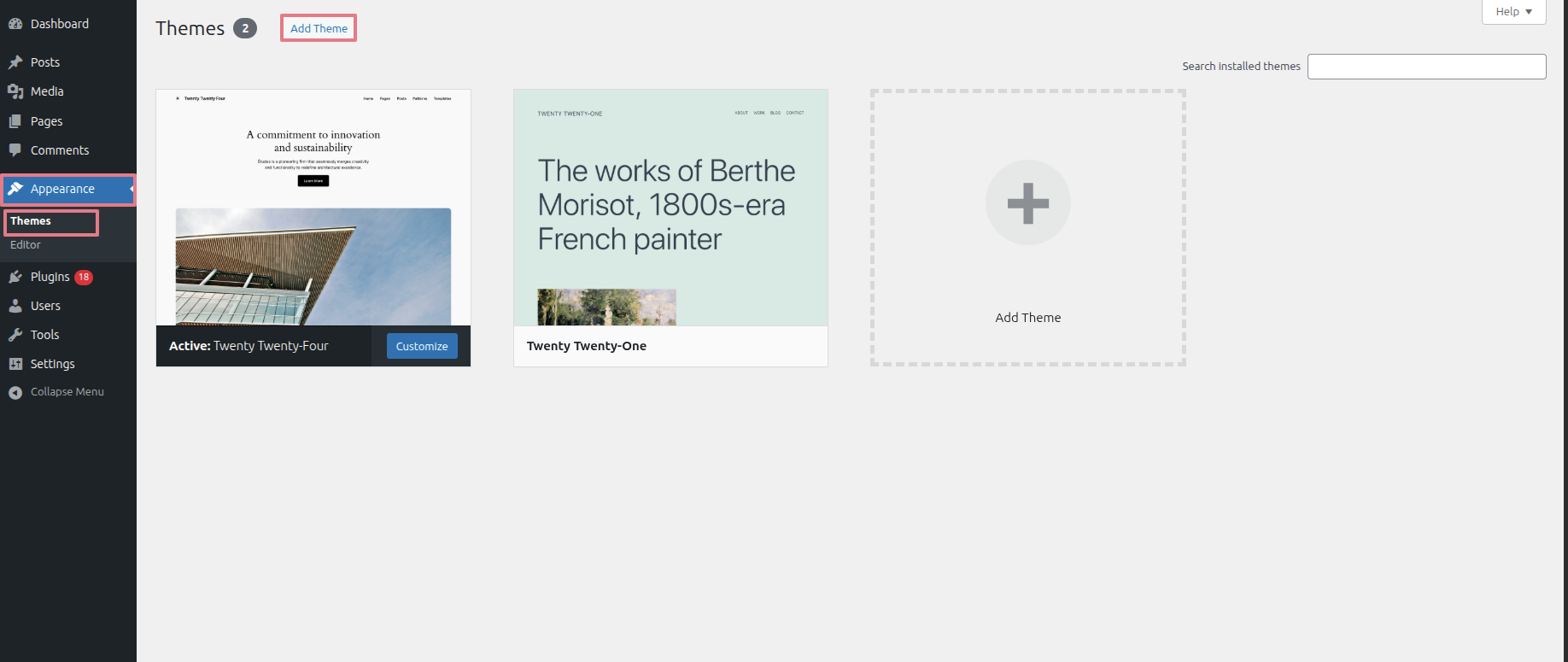
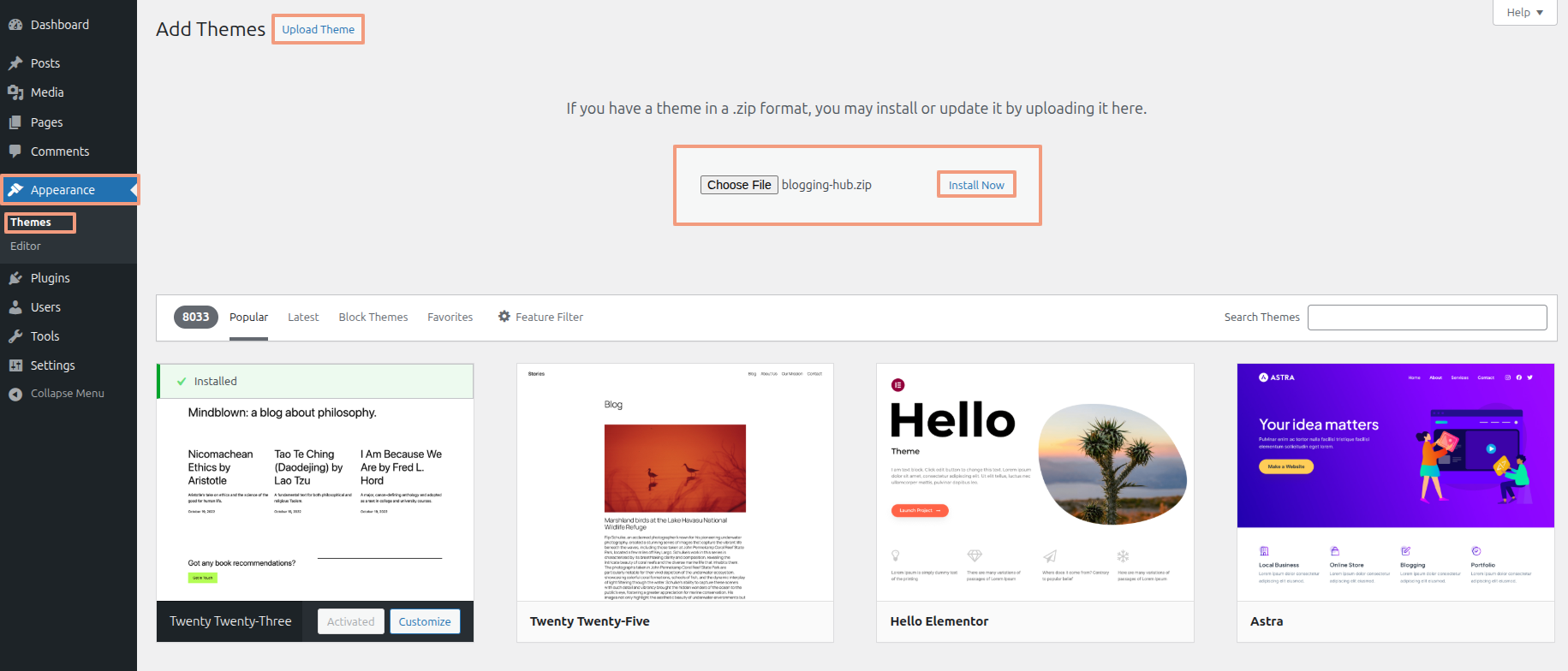
- To install and activate a new theme, navigate to Dashboard Appearance Themes Add Theme
- Select "Upload Theme" Tap Install Now
- Once located, click "Install" followed by "Activate" to complete the theme installation and activation process.
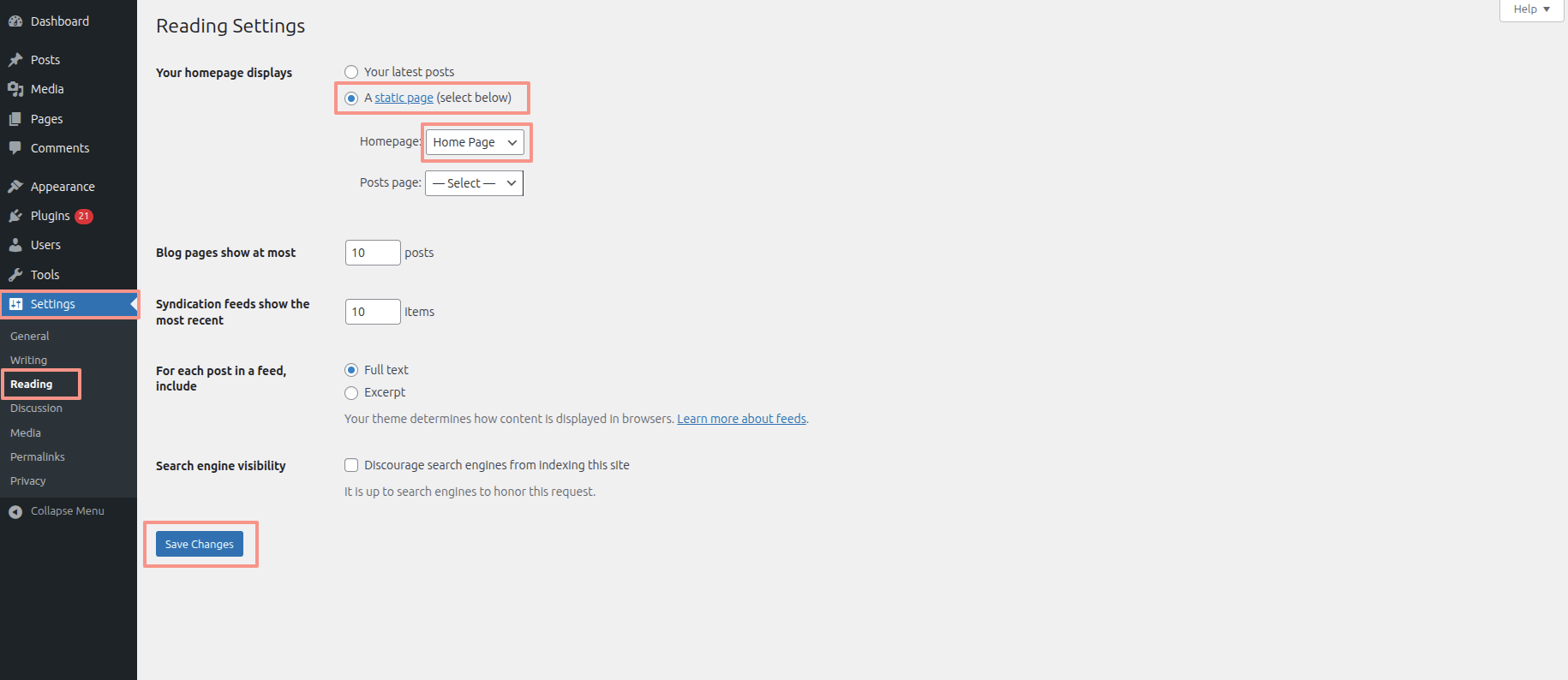
- Navigate to the Dashboard and select "Settings."
- Click on "Reading."
- Under "Homepage displays," choose the "Static page" option.
- Designate the desired page as your "Home page.".
- Login to your WordPress Dashboard.
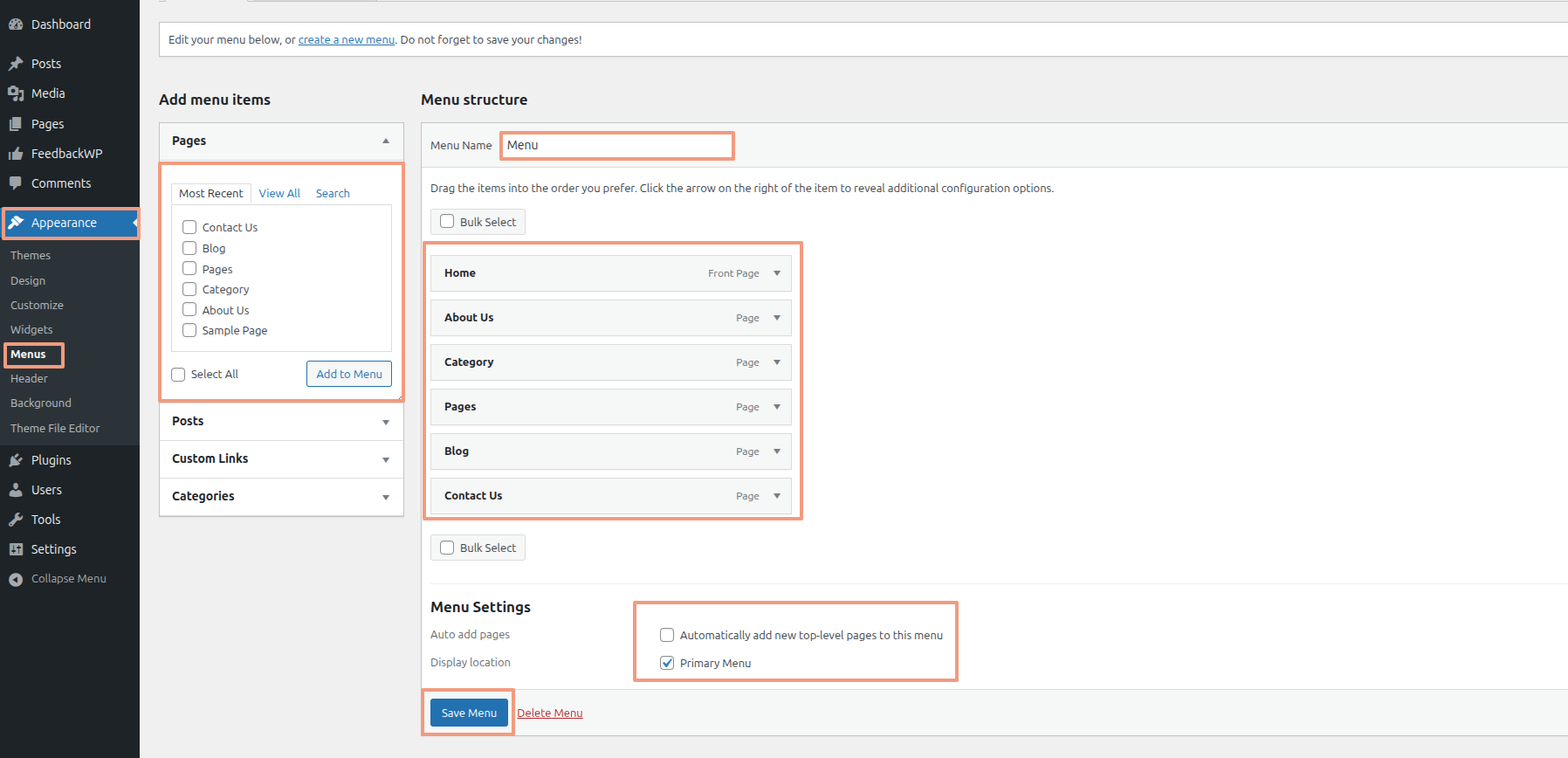
- Go to Appearance > Menus from the left sidebar.
- Click on Create a new menu link.
- Enter a name for your menu (e.g., Main Menu).
- Click the Create Menu button.
- Select the checkboxes of the items you want to include in your menu.
- Click the Add to Menu button..
- Arrange the menu items by dragging and dropping them as needed..
- Set the Display Location (e.g., Primary Menu, Footer Menu) by checking the appropriate box.Finally, click the Save Menu button.
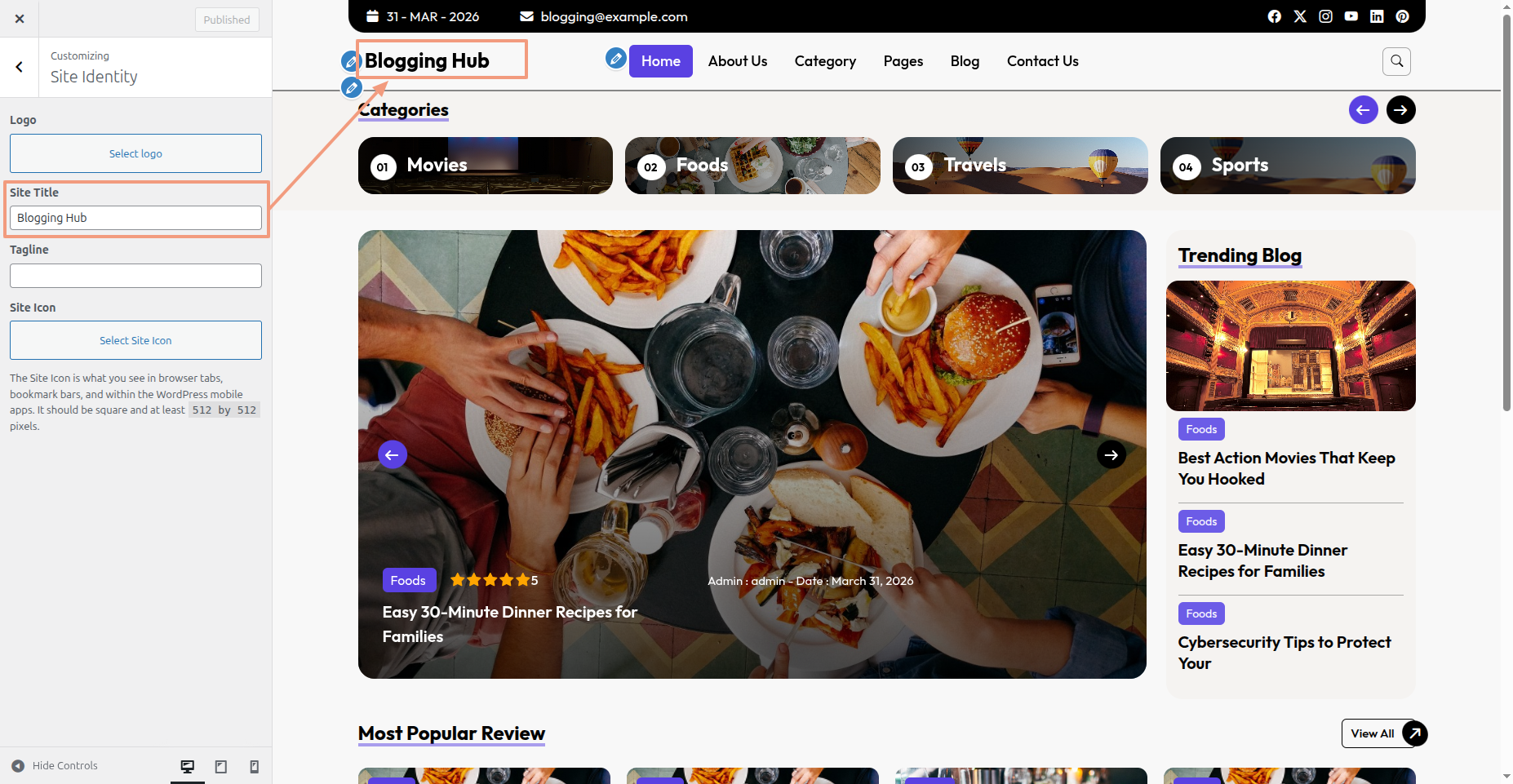
Site identity is covered in this section.
- To modify this section, navigate to Dashboard Appearance Customize Site Identity.
- Once edits are complete, select the Publish button.

Header is covered in this section.
- To modify this section, navigate to Dashboard Appearance Customize Homepage Options Header Options.
- Once edits are complete, select the Publish button.
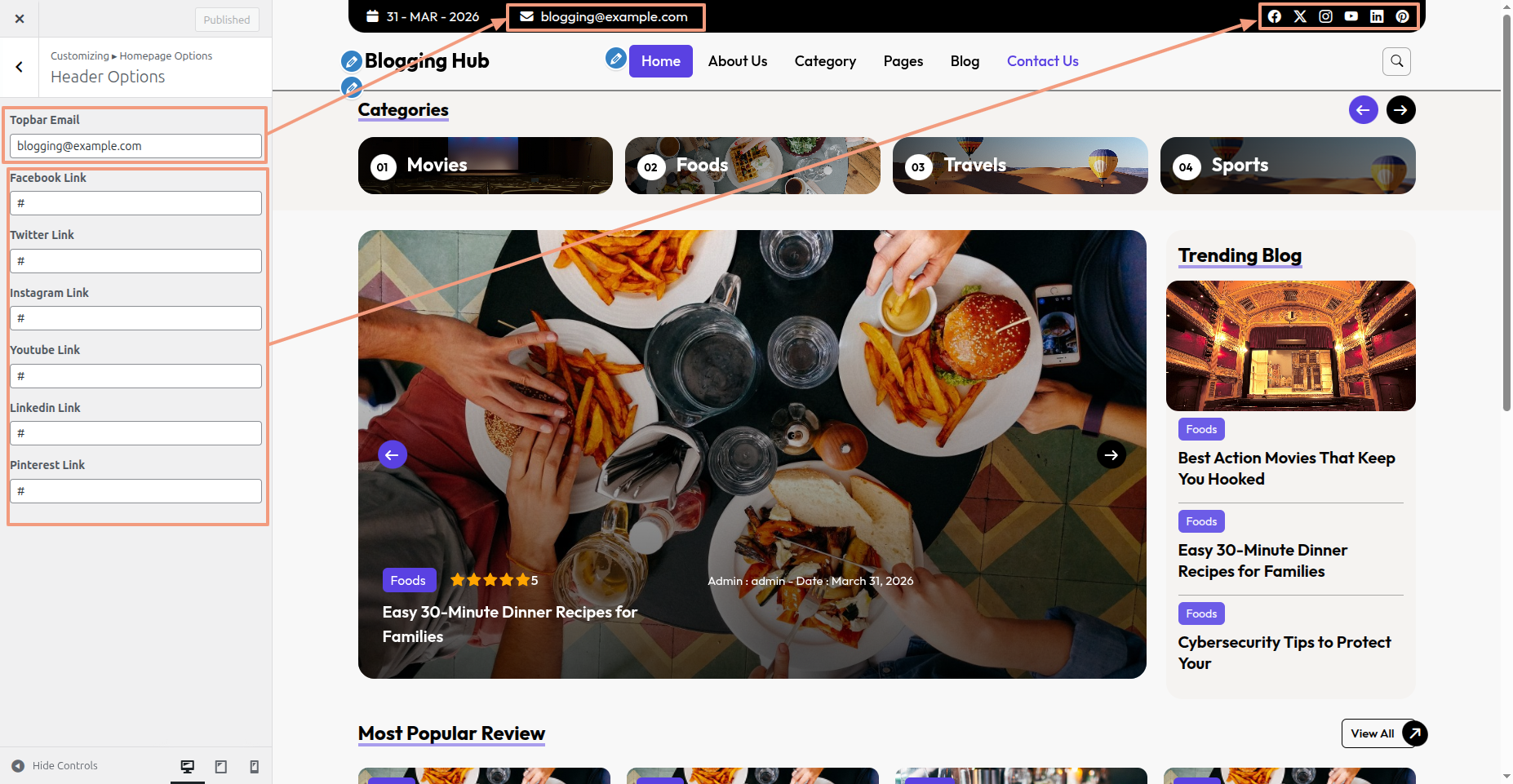
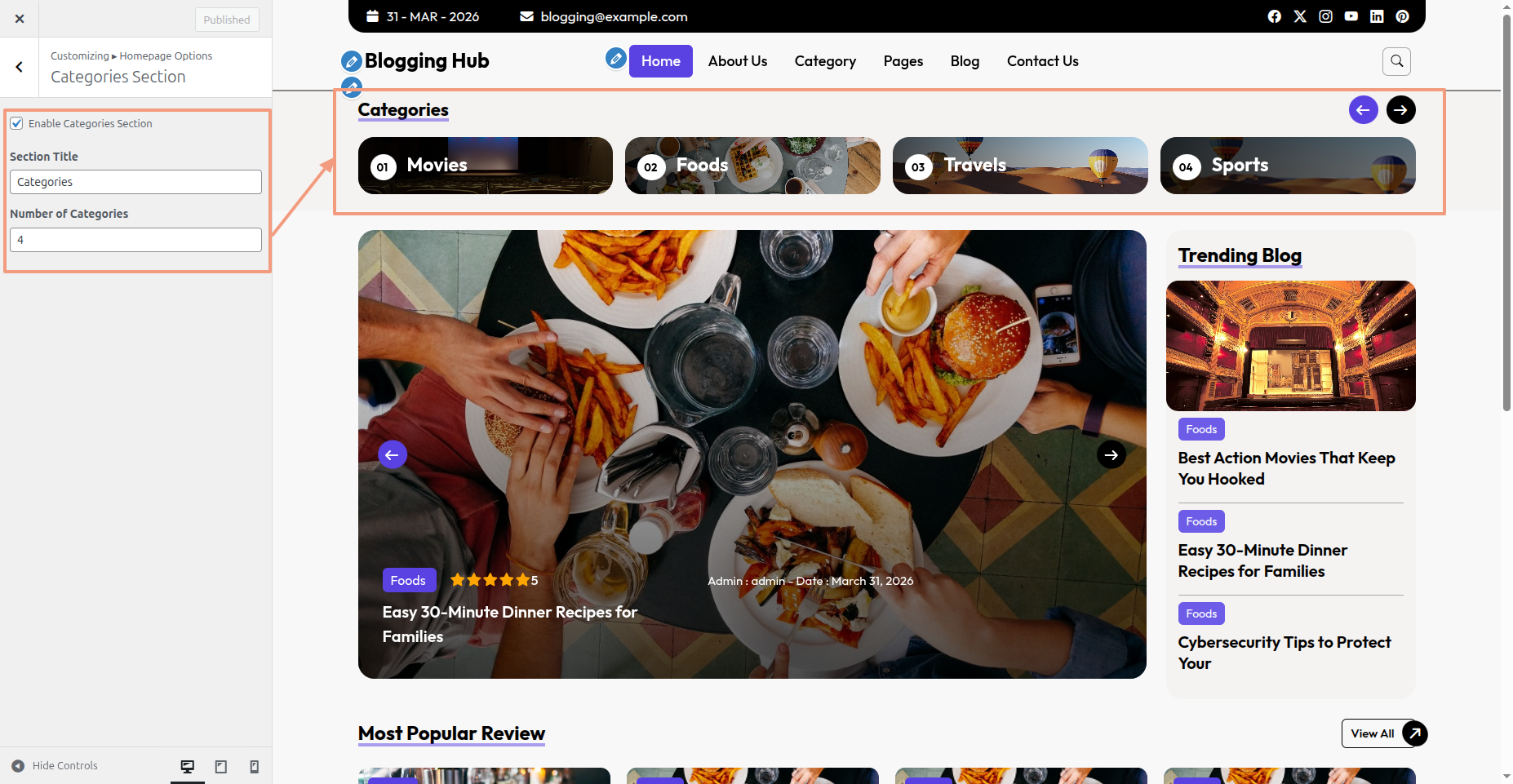
Categories is covered in this section.
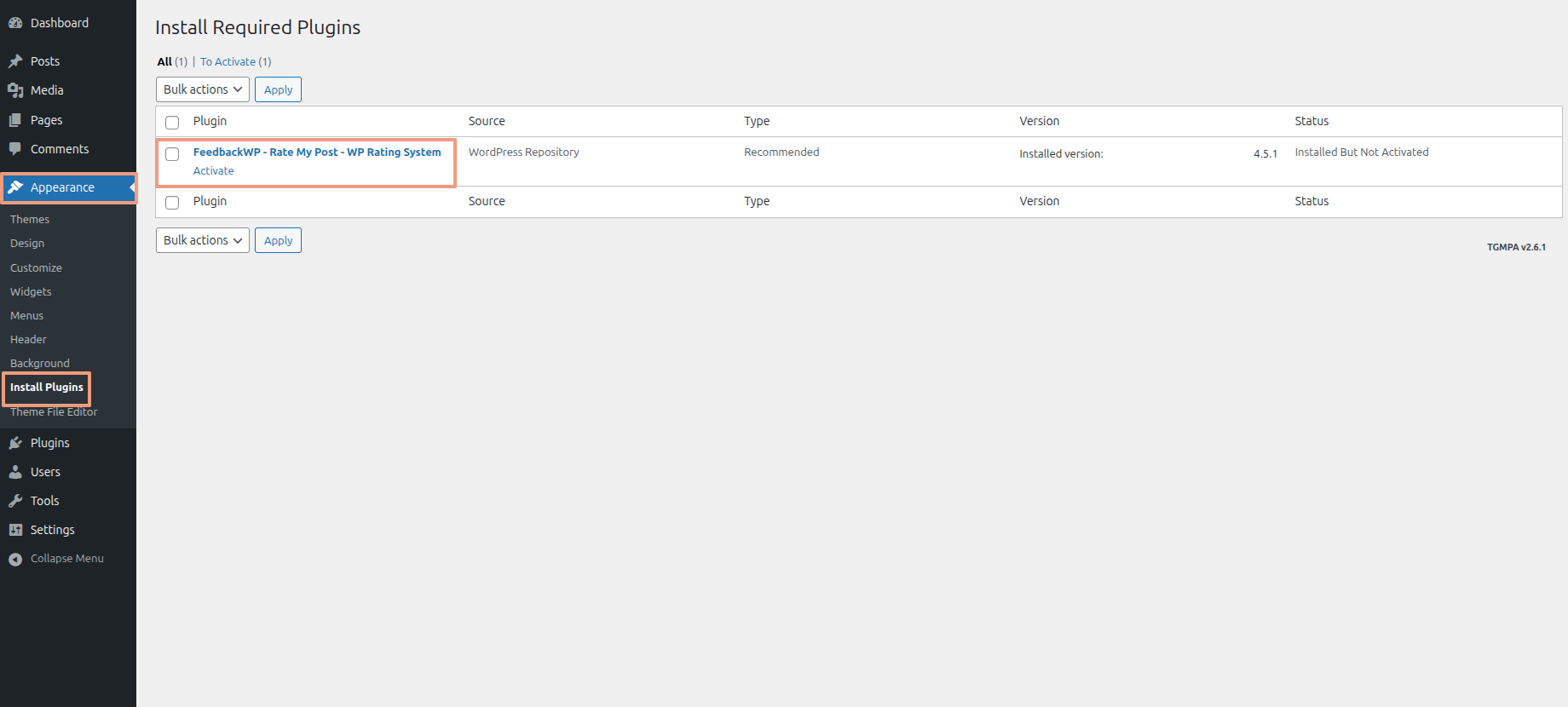
WordPress sliders display images/content dynamically, often on homepages, to highlight featured items or promotions visually.
To implement a Slider:
- To modify this section, navigate to Dashboard Appearance Install Plugins Install Activate.
- Navigate to Dashboard Post Categories .
- Navigate to Dashboard Post Add New Post.
- Go to Dashboard Appearance Customize Homepage Options Categories Section.
- After editing, select the Publish button.
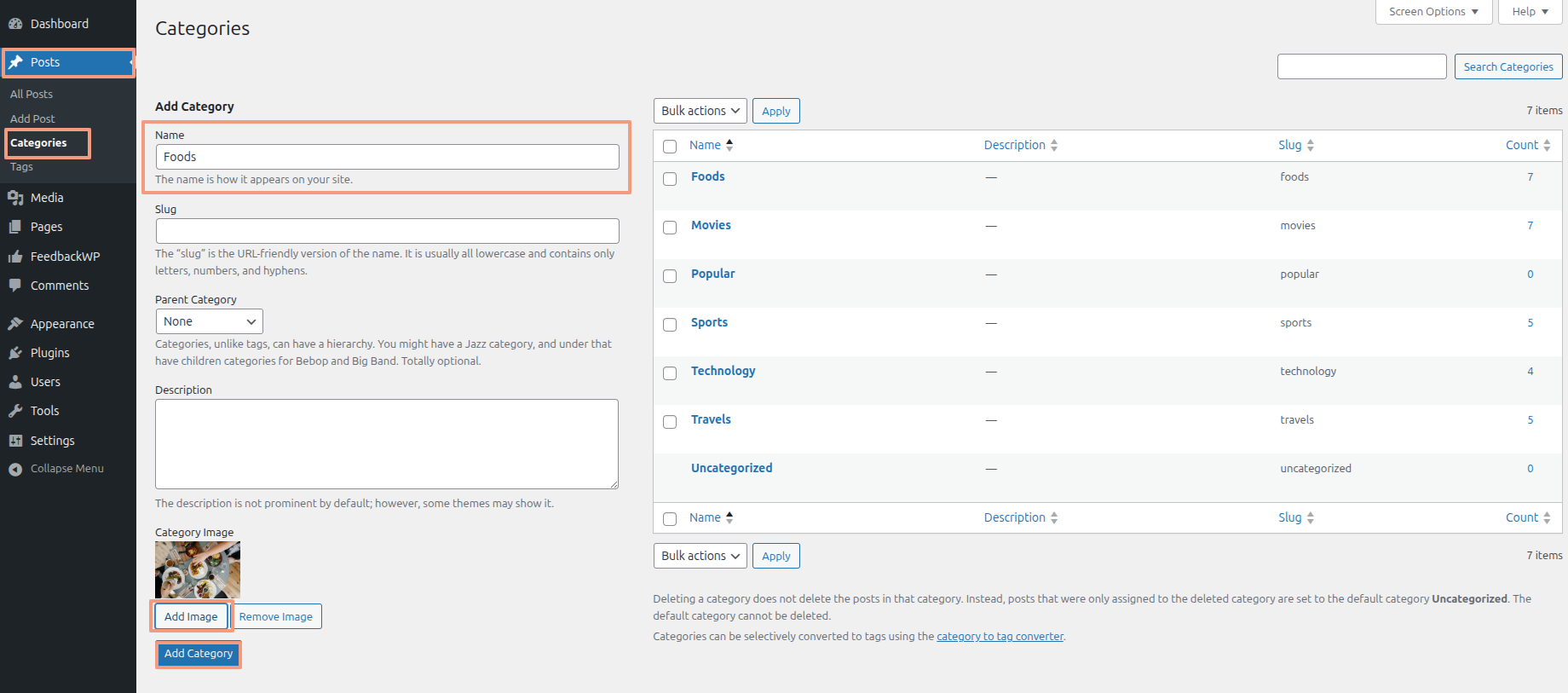
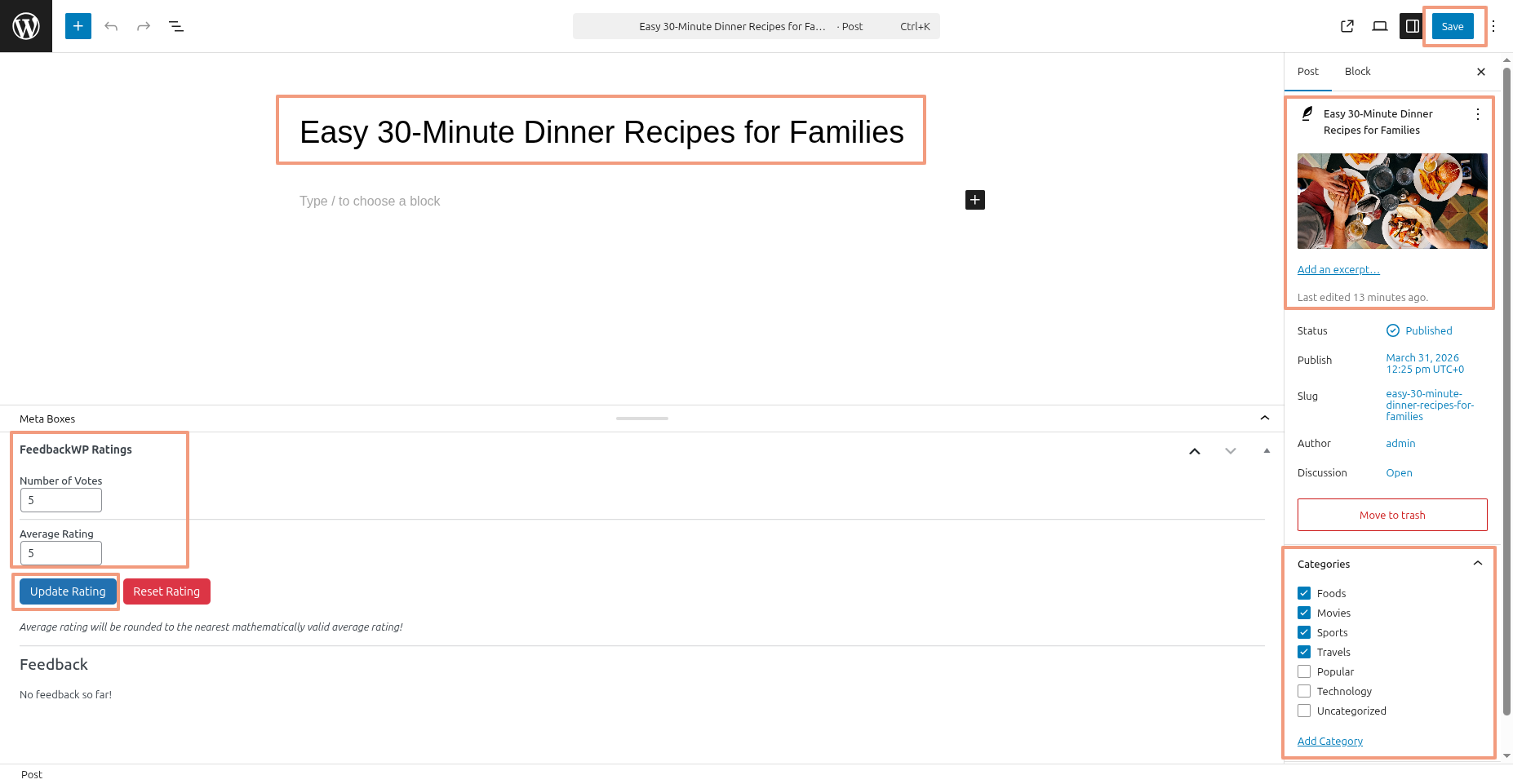

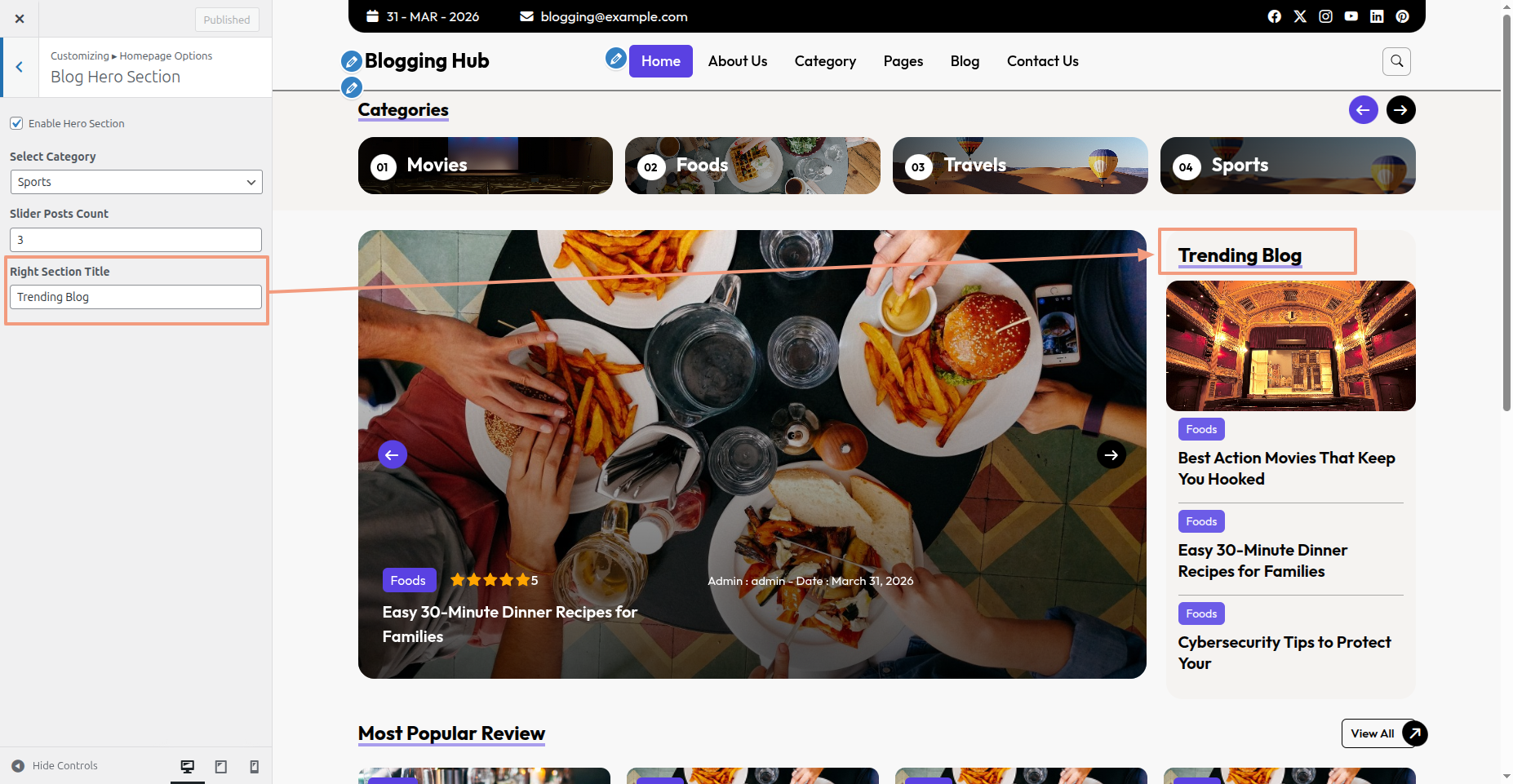
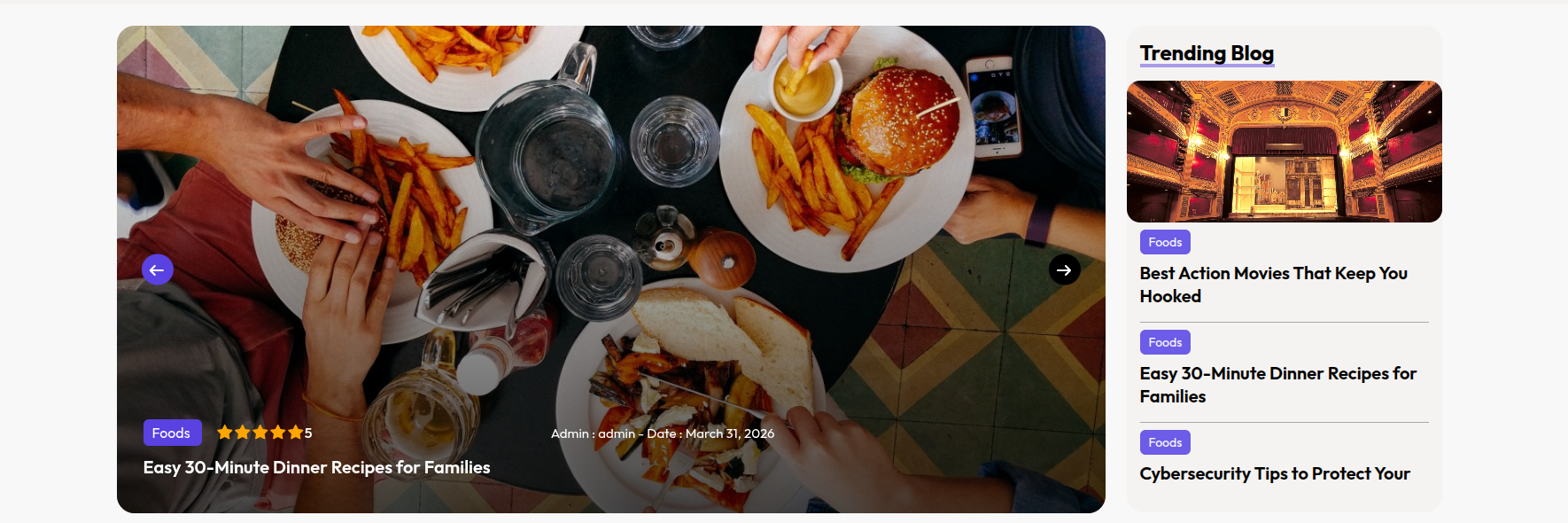
Blog Hero is covered in this section.
WordPress Blog Hero s display images/content dynamically, often on homepages, to highlight featured items or promotions visually.
To implement a Blog Hero :
- Navigate to Dashboard Post Categories.
- Navigate to Dashboard Post Add New Post.
- Go to Dashboard Appearance Customize Homepage Options Blog Hero Section .
- After editing, select the Publish button.
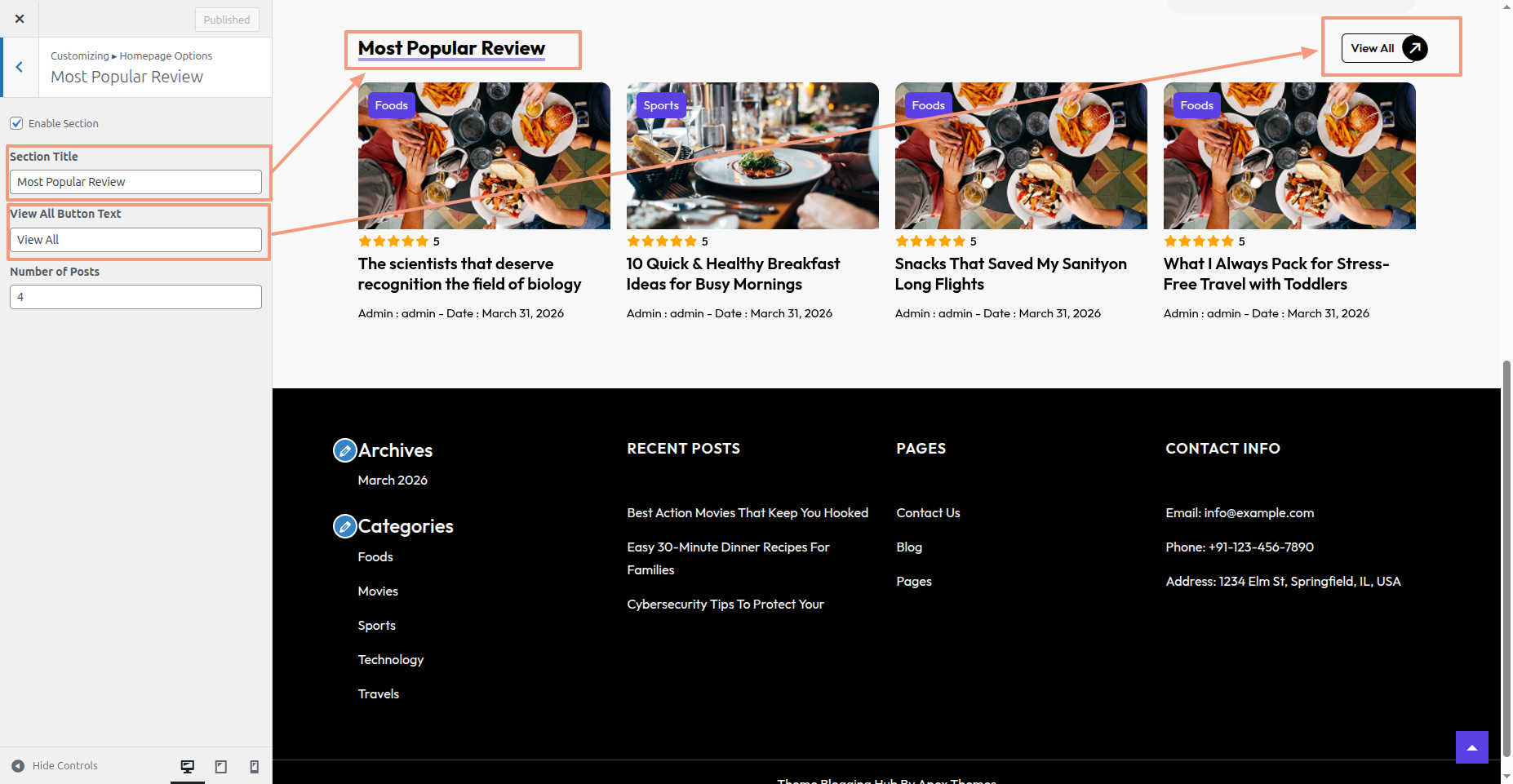
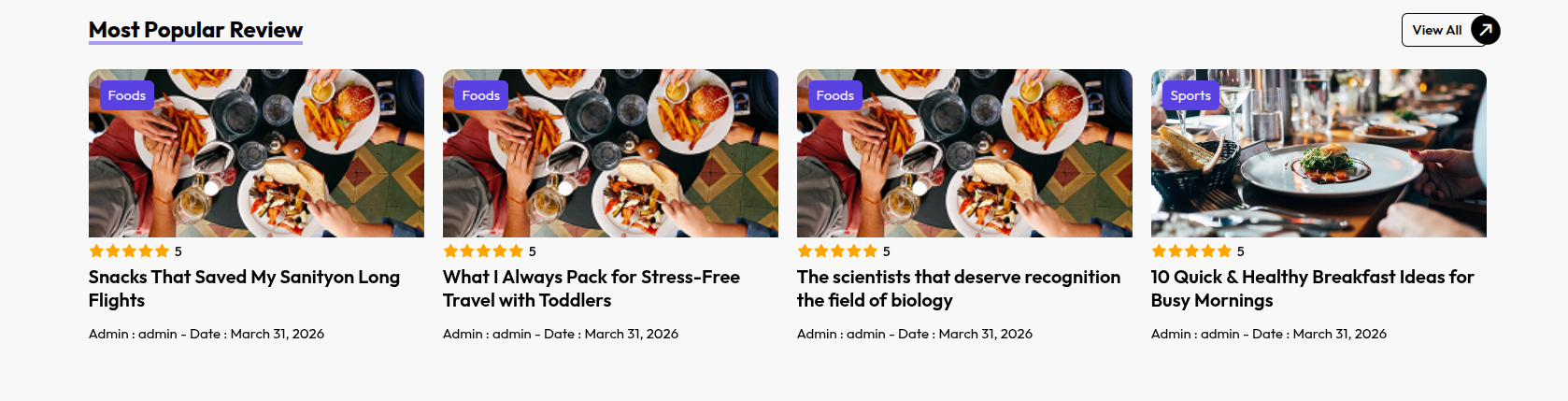
Most Popular Review is covered in this section.
WordPress Most Popular Review s display images/content dynamically, often on homepages, to highlight featured items or promotions visually.
To implement a Most Popular Review :
- Navigate to Dashboard Post Categories.
- Navigate to Dashboard Post Add New Post.
- Go to Dashboard Appearance Customize Homepage Options Most Popular Review Section .
- After editing, select the Publish button.
Footer Widgets is covered in this section.
To implement a Footer Widgets:
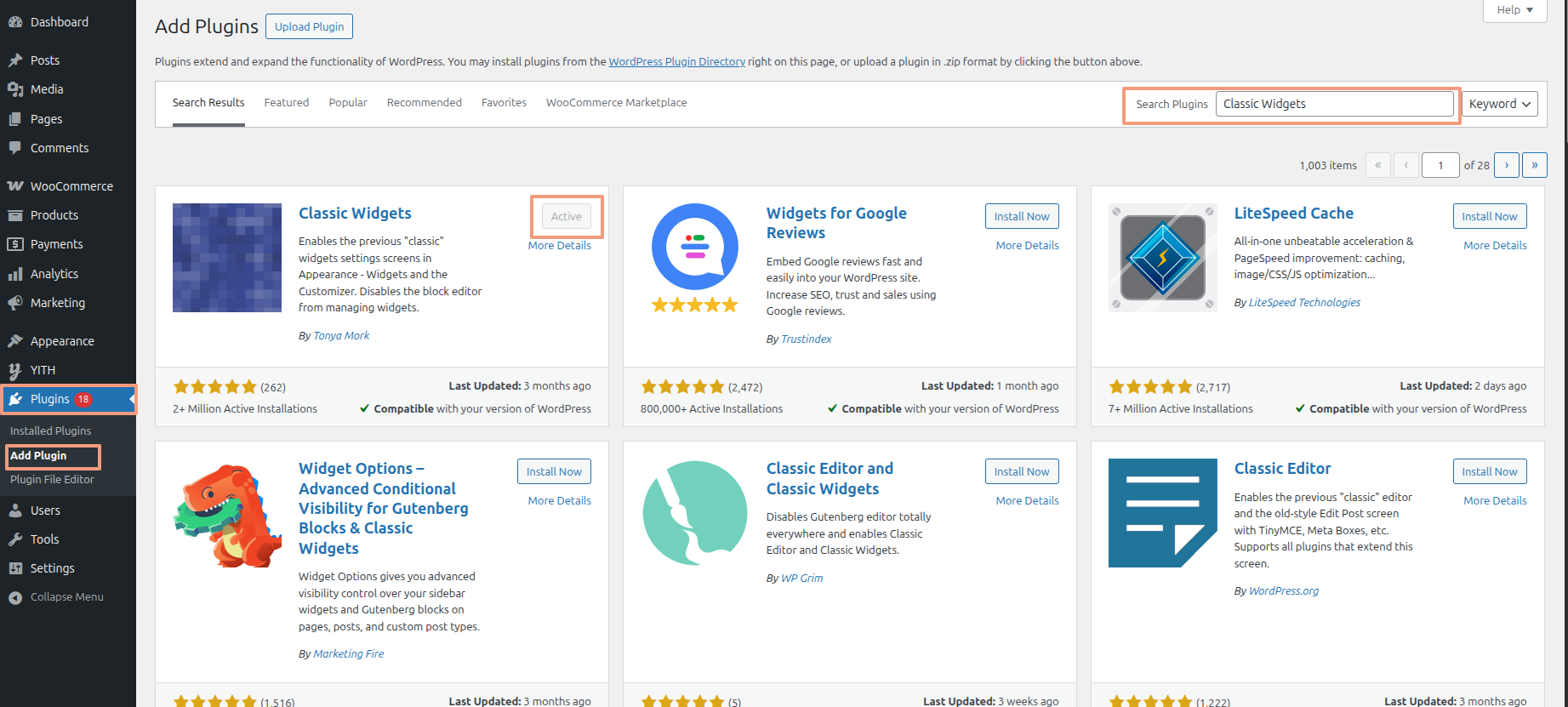
- To modify this section, navigate to Dashboard Plugins Add Plugins Search Plugins.
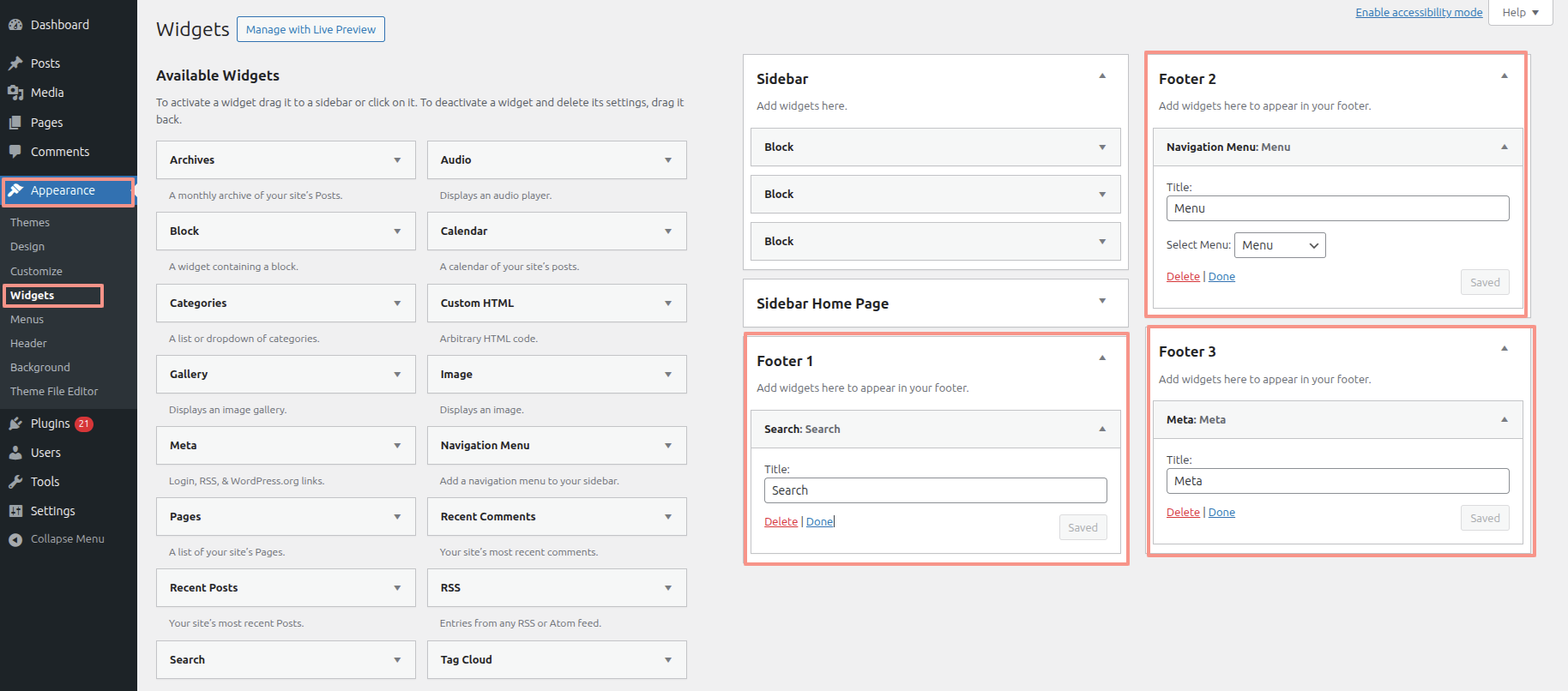
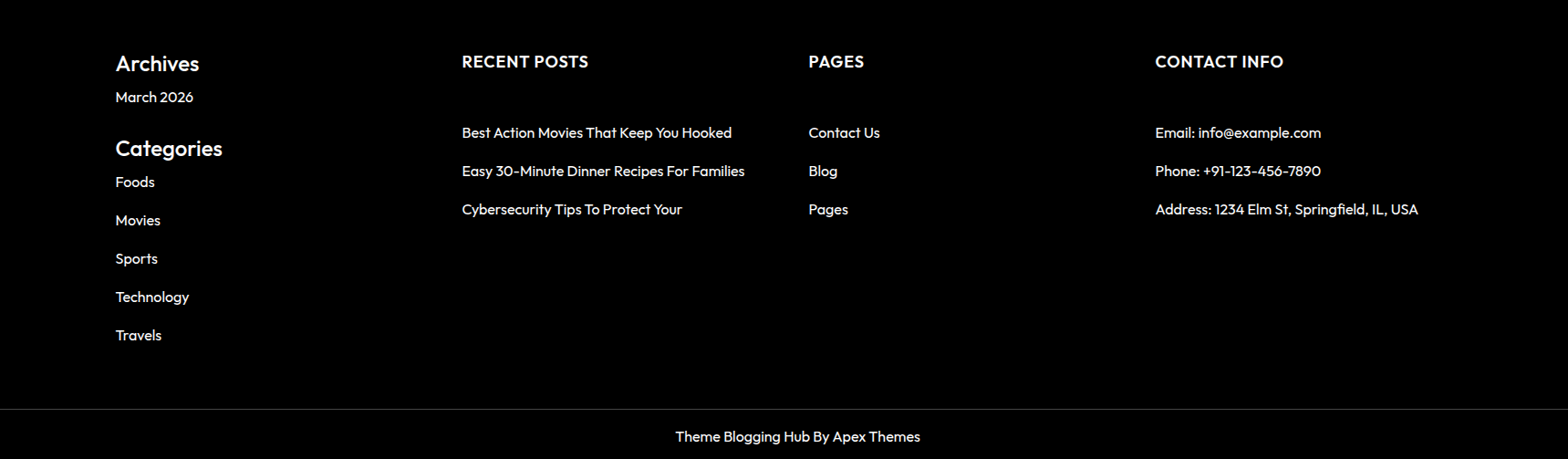
- Footers are created using widgets. Instructions for creating footers are available under the widgets tab.
- Use these steps to determine where widgets are located.
- After editing, select the Publish button.